
GLP-1 Near logoGLP-1 Near
What to Eat on GLP-1 Medications

March 11, 2026 · 8 min read

What to Eat on GLP-1 Medications

A simple, practical eating guide for GLP-1 treatment with tips on protein, hydration, meal size, and tolerance.

GMGLP1Near Medical Content TeamReviewed March 2026

GLP1Near Medical Content Team

Reviewed March 2026

Build a practical GLP-1 eating plan with guidance on protein, hydration, smaller meals, and foods that may be easier to tolerate.

On this page

What to eat on GLP-1 medications

If you are searching for a semaglutide diet plan, you are probably trying to answer a practical question: what should I actually eat so I feel better and stay consistent? That is the right focus. Most people do not need a trendy “GLP-1 menu.” They need a simple eating approach that supports hydration, protein intake, and tolerance while appetite changes.

Because these medications may reduce hunger and slow stomach emptying, your usual routine may not feel the same. Smaller meals, more intentional food choices, and gentler pacing may help. If you are still choosing a provider, you can find clinics near you, compare GLP-1 clinics in California, or review clinics in Miami.

Start with protein

Protein often becomes a priority because appetite may drop. If you are eating less overall, protein can be one of the first things to plan intentionally.

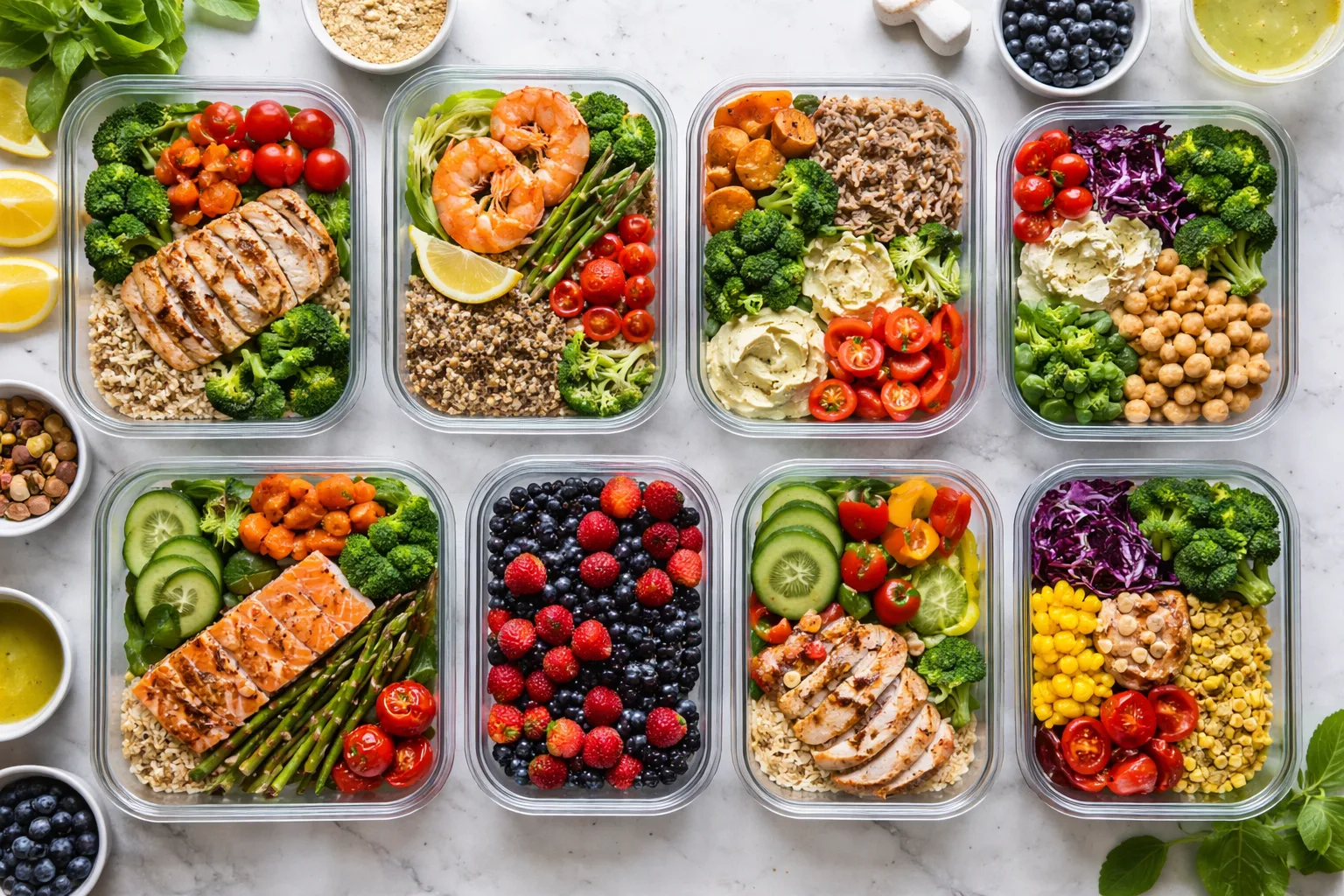
Simple protein options may include:

  • Eggs
  • Greek yogurt
  • Chicken or turkey
  • Fish
  • Cottage cheese
  • Protein shakes recommended by your clinician or dietitian
  • Beans, lentils, or tofu if they work for you

The exact amount you need depends on your body size, goals, and medical situation, so talk with your clinician or dietitian for personalized guidance.

Smaller meals often work better

Some people feel worse when they try to eat large meals on GLP-1 treatment. A smaller-meal pattern may be easier to tolerate, especially early on.

That could look like:

  • Breakfast with protein
  • A lighter lunch
  • A snack if needed
  • A balanced dinner in a smaller portion

The point is not rigid meal timing. It is reducing the odds that you eat too much too quickly and then feel miserable.

Choose foods that are easier to tolerate

Tolerance varies, but many people find it helpful to focus on:

  • Lean proteins
  • Fruit
  • Cooked vegetables
  • Whole grains in moderate portions
  • Soups or softer meals during rougher days
  • Plenty of fluids

If nausea is showing up, bland or simple foods may feel easier for a short period.

Foods that may be harder for some people

Some patients notice more discomfort with:

  • Large, heavy meals
  • Very greasy foods
  • Highly processed snack foods
  • Eating too fast
  • Drinking too little water
  • Alcohol, depending on tolerance and clinician guidance

This does not mean those foods are “forbidden.” It means they may feel worse while your body is adjusting.

Hydration matters more than people expect

Because appetite may decrease, some people also forget to drink enough. Hydration may help support digestion, energy, and overall tolerance.

A few practical habits:

  • Keep water visible
  • Sip through the day instead of chugging all at once
  • Increase fluids if your clinician recommends it
  • Pay attention to constipation risk

A simple plate framework

If you want a non-complicated approach, try to build meals around:

  • Protein first
  • Produce second
  • A reasonable portion of carbs or fiber-rich starches
  • Enough fluids to stay hydrated

That framework is often easier to sustain than a hyper-restrictive diet plan.

What to do if you barely feel like eating

If appetite drops hard, do not just ignore it. Reach out to your clinician if you are struggling to eat enough, getting weak, or feeling consistently unwell.

In the meantime, some people do better with:

  • Smaller, more frequent meals
  • Higher-protein snacks
  • Smooth or softer foods
  • Simpler meals during dose changes

Your care team can help you determine whether your nutrition needs or your dose plan should be adjusted.

If you want providers that talk through the practical side, compare clinics in Austin or clinics in Los Angeles before you start.

Final takeaway

The best eating plan on GLP-1 medication is usually simple: protein-focused, hydration-conscious, and built around smaller meals you can tolerate consistently. Skip the extreme internet diets and ask your clinician for guidance tailored to your medical history, symptoms, and goals.

Progress comes from repeatable meals

You do not need gourmet meal prep. A short list of repeatable breakfasts, lunches, snacks, and dinners that sit well with you is often enough to make treatment easier week after week.

This content is for informational purposes only and does not constitute medical advice. Always consult a qualified healthcare provider before starting any weight loss medication.

A sample day does not need to be fancy

A simple day might look like eggs or yogurt in the morning, a protein-forward lunch, a light snack if needed, and a smaller balanced dinner. The exact foods matter less than whether the pattern helps you eat enough quality nutrition without pushing past your tolerance.

Keep notes during dose changes

If you notice that certain foods feel better or worse after a dose increase, write that down. Patterns around nausea, fullness, reflux, or energy can help your clinician or dietitian give better advice. Guessing from memory is a lot harder than bringing a few weeks of honest notes.

Browse clinics by location

Compare providers by state and city to find a clinic with the right pricing, screening, and follow-up support.

Ready to Find a GLP-1 Clinic?

Browse verified medical weight-loss providers in your area.

Browse Clinics